Storing a jump starter in a hot car
Leaving a lithium jump starter in a closed car through a hot afternoon can push its internal temperature well past most makers' safe storage range, so keep the unit inside with you or in shade, and always follow the specific maker's stated storage temperature range.

AstroAI S8 Car Battery Jump Starter 1500A, Portable 12V Lithium Jump Box
1,500A peak
The main piece of gear for this job. The rest of what you need is below.
Why does heat matter more than cold for a lithium jump starter?
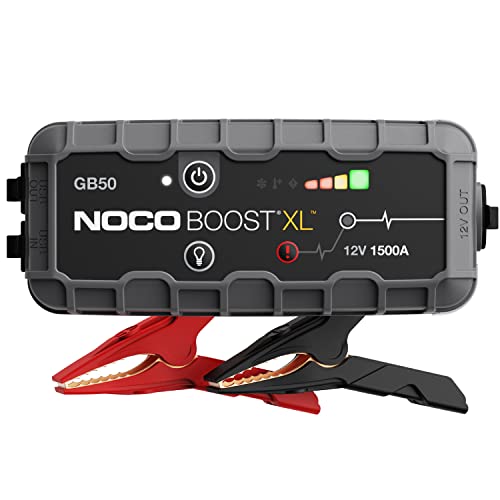
Most compact jump starters sold today, including units like the AstroAI S8 1500A at $49.99 and the NOCO Boost GB50 UltraSafe at $142.45, use lithium-ion cells rather than the lead-acid chemistry older jump boxes used. Lithium cells tolerate cold reasonably well in storage, though they deliver less current when actually cold, but they are meaningfully more sensitive to sustained high heat, which accelerates the chemical breakdown inside the cell and can shorten its usable life or, in rare cases, create a safety risk.
A closed car's interior on a hot day can climb far above the outside air temperature, well past the range most lithium electronics are rated to sit at for extended periods, which is exactly the environment a jump starter left in a glovebox or center console experiences all afternoon.
What should I actually do with a jump starter in hot weather?
- Check the specific unit's manual or spec sheet for its stated storage temperature range rather than assuming
- Store the unit in the passenger cabin rather than the trunk when possible, since trunks often run hotter
- Bring it inside with you rather than leaving it in a parked car for hours in direct sun
- Avoid charging the unit immediately after it has been sitting in extreme heat; let it cool first
- Keep it out of direct sunlight on a dashboard or rear window shelf, which run hottest of all
Does heat damage happen right away or over time?
A single hot afternoon is unlikely to ruin a jump starter outright, but repeated exposure, day after day through a hot season, adds up. Lithium cell degradation from heat is cumulative: each hot cycle reduces the cell's maximum usable capacity a little, so a unit stored in a hot car all season may hold noticeably less charge by the following year even if it never showed an obvious problem.
This is different from a onetime failure and is part of why a jump starter that sat in a hot trunk for a long stretch sometimes reads full on its display but cannot actually deliver enough current to start a car when you need it.
How should I store a jump starter when the car itself is the only option?
If keeping the unit out of the car entirely is not practical, for example because it lives in a glovebox for roadside emergencies, look for a jump starter with a stated wider operating and storage temperature range, and consider a small insulated pouch or bag to slow how fast the unit's internal temperature follows the car's. Checking the charge level every few months and topping it up as needed also helps catch a unit that has degraded before you actually need it in an emergency.
Does the same heat concern apply to lead-acid jump boxes?
Older lead-acid jump boxes are less sensitive to heat than lithium cells in terms of safety risk, but heat still shortens a lead-acid battery's usable life over time, and lead-acid units are heavier and bulkier than the compact lithium jump starters most brands sell today. Either chemistry benefits from the same basic practice: check the maker's stated storage range and avoid leaving the unit baking in a closed car through repeated hot cycles.
Does heat storage affect a jump starter with a built-in air compressor differently?
A jump starter with a built-in air compressor, like the MAIDELI 6000A with a 160PSI compressor at $59.98 or the AIMAPOW unit at $59.99, still uses the same lithium cell for both the jump starting function and the compressor's motor, so the storage heat concerns are identical to a jump starter without a compressor. The compressor itself, being a small motor and pump assembly, is not particularly heat-sensitive in storage, but it will not run any better than the battery behind it allows if that battery has degraded from repeated heat exposure.
Jump starters worth checking storage specs on
Prices change often.
 OXILAM 24000mAh Jump Starter for All Gas & Diesel Engines, 10000A Battery Jumper...10,000A peak / 24,000mAh$149.99Check price on Amazon
Frequently asked questions
Can a jump starter overheat and become a safety hazard in a hot car?
It is uncommon but the risk is not zero, since lithium cells left well outside their rated storage temperature range for extended periods can degrade in ways that affect safety, not just capacity. Following the maker's stated storage temperature range and avoiding a closed car in extreme heat is the simple way to avoid the issue.
Does cold weather hurt a jump starter the same way heat does?
Not in the same way. Cold reduces how much current a lithium cell can deliver at that moment, which can make a jump starter feel weaker on a freezing morning, but cold storage does not degrade the cell's long-term capacity the way sustained heat exposure does. Heat is the bigger long-term storage concern for lithium units.
Where in the car should I store a jump starter in summer?
The passenger cabin generally runs cooler than a trunk, and anywhere out of direct sunlight, such as under a seat rather than on a dashboard or rear window shelf, helps. If the car will sit in direct sun for hours, bringing the unit inside with you is the safest option.
How do I know if heat has degraded my jump starter's battery?
The most reliable sign is reduced runtime or the unit failing to deliver enough current to start a vehicle it previously handled without issue, even though its charge indicator shows full. Testing the unit periodically, rather than assuming it is ready after months of sitting untouched in a hot glovebox, is the way to catch this before an emergency.
Is it fine to charge a jump starter right after it has been sitting in a hot car?
It is better to let the unit cool to closer to room temperature first if it has been sitting in significant heat, since charging a cell that is already hot adds additional heat from the charging process itself. A short cooldown period before plugging it in is a reasonable precaution.
Should I buy a bigger jump starter to make up for expected heat degradation?
Buying extra capacity above what your engine's stated size actually needs is a reasonable margin regardless of storage conditions, but it does not replace good storage habits. A larger unit stored the same way in a hot car will still degrade over time; keeping any jump starter out of sustained extreme heat is what actually protects its long-term capacity.